In today’s healthcare scene, preventing catheter-associated infections is more important than ever. Did you know that around 80,000 cases pop up each year just in the US, according to the CDC? That’s a huge number! One of the promising solutions we've seen is Antibiotic Impregnated Catheters, or AICs for short. They really make a difference by delivering antibiotics right where they're needed most—at the site of the catheter—helping to cut down infection risks. At Tianck Medical Co., Ltd., we're passionate about making a real impact on patient care. That’s why we're working on precision-engineered products like AICs, designed to meet the ever-changing needs of healthcare providers and patients alike. Recent research even shows that AICs can slash infection rates by up to 50%. Pretty impressive, huh? It just goes to show how vital they are for keeping patients safer and pushing healthcare forward. As we continue to innovate, our main goal is to give medical teams effective tools to tackle the big challenges in patient care—because at the end of the day, it's all about improving lives.
The Importance of Antibiotic Impregnated Catheters in Reducing Infection Rates
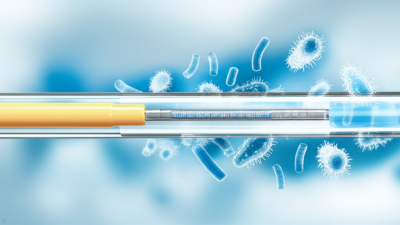
Antibiotic-coated catheters really make a big difference when it comes to cutting down infection risks, especially for folks who need these devices for a long time. These specialized catheters are designed with antibiotic layers that slowly release antimicrobial stuff, which seriously lowers the chances of developing infections related to the catheter. By stopping bacteria from sticking to the surface, they help prevent nasty complications like urinary tract infections (UTIs), which are pretty common in hospitals and clinics.
But the benefits don’t stop at just preventing infections. Using these antibiotic-coated catheters also boosts patient safety overall. People who don’t get infections as easily tend to stay in the hospital for fewer days, need fewer extra treatments, and generally feel a lot better. As more healthcare places focus on infection control, introducing antibiotic-coated catheters is a smart move — it’s a win-win for both patients and staff, helping improve care while keeping infection rates down.
Key Statistics on Catheter-Associated Infections and Their Impact on Patient Safety
You know, catheter-associated infections, or CAIs for short, are a pretty big headache in healthcare. They really bump up patient risks, leading to longer stays and more serious health issues. Surprisingly, about 80% of urinary tract infections are linked to catheters—that’s a huge chunk, highlighting just how important it is to have solid prevention methods in place. These infections don’t just hurt individual folks; they also add a ton to healthcare costs — we're talking an extra $40 billion each year. No joke, it’s a serious safety concern.
One approach that’s gaining some traction is using antibiotic-coated catheters. Basically, these catheters slowly release antibiotics directly where they’re needed, giving bacteria a tough time trying to colonize. Studies suggest that switching to these specialized catheters can cut the risk of CAIs by up to half — that’s pretty impressive, right? As hospitals and healthcare providers look for smarter ways to keep patients safe, understanding and adopting tech like antibiotic-impregnated catheters could really make a difference in reducing these infections and their impact on everyone involved.
Catheter-Associated Infection Rates and Antibiotic Impregnated Catheters Impact
This chart illustrates the infection rates associated with standard catheters compared to antibiotic impregnated catheters. The data indicates a significant reduction in infection rates with the use of antibiotic impregnated catheters, highlighting their importance in improving patient safety.
Effectiveness of Different Antibiotic Coatings in Preventing Catheter-Related Infections
Antibiotic-impregnated catheters are pretty important when it comes to fighting infections, especially with how tricky catheter-associated urinary tract infections (CAUTIs) can be. Lately, there have been some exciting advances in coating tech that are really making a difference. Things like smart coatings that respond to bacteria and mussel-inspired modifications are pretty innovative — they use anti-fouling and bacteria-killing features to stop bacteria from sticking around and forming those stubborn biofilms on the catheter surfaces. These developments matter because biofilms can lead to infections that are tough to get rid of, which can mean longer hospital stays and higher healthcare costs.
Tianck Medical Co., Ltd. is really leading the charge in this space. We’re dedicated to creating better outcomes for patients with carefully designed products that meet the needs of healthcare providers. Our work on bioresorbable coatings and drug-releasing antimicrobials aims to make catheters safer and more effective — all while tackling the urgent issue of infection control in hospitals. We’re also exploring new materials like magnesium oxide and superhydrophobic coatings, all with the goal of setting new standards for preventing infections related to catheter use. The idea is to make the whole experience safer and more comfortable for patients around the world.
Best Practices for Implementing Antibiotic Impregnated Catheters in Clinical Settings
You know, antibiotic-impregnated catheters (AICs) are really gaining popularity because they seem to do a pretty good job at cutting down on those pesky catheter-associated urinary tract infections (CAUTIs). This is such a common problem in healthcare settings, and studies – like one published in the American Journal of Infection Control – suggest that using AICs can reduce infection risks by up to half. Pretty impressive, right? It’s a clear win for patient safety and overall care. Here at Tianck Medical CO., Ltd., we’re all about pushing healthcare forward with smart, precision-engineered solutions, so implementing AICs really fits right in with what we stand for.
Now, if you're thinking about bringing antibiotic-impregnated catheters into your practice, there are a few things to keep in mind to get the most out of them. First off, proper training is a must—everyone involved should be up-to-date on the best insertion techniques and maintenance routines. The CDC has shown that when catheter management is done right, up to 70% of infections can actually be prevented. That really highlights just how important following the right protocols is.
Some tips for making it work smoothly? Regularly review your catheter insertion and care procedures — don’t just set it and forget it. And doing some audits now and then can really help spot areas where things could be improved. Plus, teaming up with infection control folks can give you some extra insight and help establish better practices. By focusing on creating a culture that really prioritizes patient safety, healthcare facilities can seriously cut down on device-related infections while making sure they’re providing the best possible care.
Considerations for Selecting the Right Catheter for Infection Prevention
Choosing the right kind of catheter is actually pretty important when it comes to preventing infections, especially in high-risk areas like ICU wards. Did you know that somewhere between 15% and 30% of ICU patients end up with bloodstream infections related to catheters? Not great, right? These infections can cause serious health issues and often mean the patient has to stay in the hospital a lot longer. One option that’s been gaining attention is antibiotic-impregnated catheters—they slowly release antibiotics to fight off bacteria and help cut down on infection chances. But picking the right catheter isn’t just about that; you’ve gotta think about how long the patient will need it and their specific risk factors for infection.
A couple of tips if you’re in that decision-making process: First, check out the patient’s background and current health—some folks are more vulnerable and might really benefit from those antibiotic-coated options. And second, don’t forget the basics: sticking to strict sterile techniques during insertion makes a huge difference, no matter what kind of catheter you’re using.
Also, aside from the antibiotic ones, there’s some pretty exciting new designs out there. Researchers are working on materials that stop biofilms from forming and make things safer for patients. According to the latest from MedSci.cn, having a good infection prevention plan—like keeping a close eye on things and catching issues early—is key to managing infections in the ICU properly.
Future Directions in Research on Antibiotic Impregnated Catheters and Innovations in Patient Care
Lately, there's been a lot of buzz around using antibiotic-impregnated catheters (AICs) as a key part of preventing infections, especially in folks who need to have a catheter for a longer time. Studies show that these special catheters can really cut down on catheter-associated urinary tract infections, or CAUTIs — which, by the way, happen in about a quarter of patients with indwelling catheters. I came across a recent piece in the Journal of Clinical Microbiology that mentioned AICs can actually reduce CAUTI rates by half compared to regular ones. That’s pretty impressive because not only does it boost patient safety, but it might also help save some serious cash in healthcare costs tied to these hospital-acquired infections.
Looking ahead, it’s exciting to see how technology around AICs will get even better. Researchers are working on coatings that fight off biofilms and new materials that might make these catheters more effective. There’s even talk about smart catheters that can monitor things in real-time—stuff that could really take infection control to the next level. The market for antimicrobial catheters is expected to hit around $2 billion by 2025, thanks to these innovations. Of course, ongoing clinical trials will be super important in figuring out what designs and formulas work best, so patient care keeps improving.
If you or someone you know needs a catheter, it’s a good idea to chat with your healthcare provider about the benefits of AICs. Staying up-to-date with the latest research can totally empower you to make smarter choices about your health. And, no matter what, remember to practice good hygiene and proper care for any catheter to keep things as safe as possible.
Comprehensive Overview of Malecot Drainage Catheter: Features, Benefits, and Clinical Applications
The Malecot Drainage Catheter is an essential medical tool frequently employed in urology, interventional radiology, and general surgery. Characterized by its unique "wings" or "petals" at the tip, this catheter is designed to facilitate effective and secure drainage of fluids from various body cavities, including the bladder, kidneys, and abscesses. According to industry reports, the global market for drainage catheters is likely to see significant growth, reaching an estimated value of $2.5 billion by 2025, owing to the escalating need for minimally invasive procedures and the rising prevalence of fluid-related medical conditions.
One of the main advantages of the Malecot Catheter is its ability to provide reliable drainage while minimizing the risk of dislodgement, making it a preferred choice among healthcare providers. With variations in sizes—available in 8F, 10F, 12F, and 14F—this catheter can accommodate different clinical needs and anatomical considerations. Data suggests that the use of specialized drainage catheters like Malecot can lead to better patient outcomes, including reduced infection rates and shorter hospitalization durations, which are critical factors in today’s healthcare landscape focused on efficiency and patient safety. This adaptability and effectiveness highlight the catheter's importance in modern medical practices.
FAQS
Is) and their impact on patient safety?
Antibiotic impregnated catheters release antibiotics into the urinary tract, offering localized protection against bacterial colonization, and have been shown to reduce the incidence of CAIs by up to 50%.
Innovative approaches such as smart bacteria-responsive coatings and mussel-inspired modifications are being developed to enhance catheters' efficacy by reducing bacterial colonization and biofilm formation.
Research indicates that antibiotic impregnated catheters can significantly lower the occurrence of catheter-associated urinary tract infections (CAUTIs), with studies showing a 50% reduction in CAUTI rates compared to standard catheters.
Future innovations may include more effective antimicrobial coatings, biofilm-resistant surfaces, and smart catheters with built-in monitoring capabilities, enhancing infection control measures.
Choosing antibiotic impregnated catheters can enhance patient safety during prolonged catheterization and help reduce healthcare costs linked to hospital-acquired infections.
Patients can empower themselves by discussing the benefits of antibiotic impregnated catheters with their healthcare team and staying informed about the latest research in catheter technology.
Maintaining proper hygiene and following care techniques are essential for optimizing safety during catheter-related procedures.
The market for antimicrobial catheters is projected to reach $2 billion by 2025, driven by advancements in research and technology in infection prevention.
Tianck Medical Co., Ltd. is leading advancements in catheter safety by focusing on precision-engineered products and researching new coatings and technologies to enhance infection control in clinical settings.
Conclusion
Antibiotic-coated catheters really make a big difference when it comes to keeping patients safe and cutting down on infections that happen because of catheter use. It’s a pretty big deal since catheter-related infections can seriously affect patient recovery, so these specialized devices are actually a pretty promising solution. The stats show how common these infections are, which just underlines how important it is to have effective ways to prevent them. Researchers have looked into different antibiotic coatings on catheters, and that really highlights why picking the right one for each clinical situation matters.
Of course, using best practices when it comes to these antibiotic-infused catheters can give healthcare providers an extra edge in preventing infections. As the science keeps moving forward, ongoing innovation around these products is key — it helps us stay ahead of the curve and meet the changing needs of medical teams everywhere. At Tianck Medical Co., Ltd., we're passionate about designing precise, high-quality solutions that boost the effectiveness of antibiotic-coated catheters, with the ultimate goal of better health outcomes for patients around the world.